
Glossary · Cloud · 4-min read
Cloud Computing
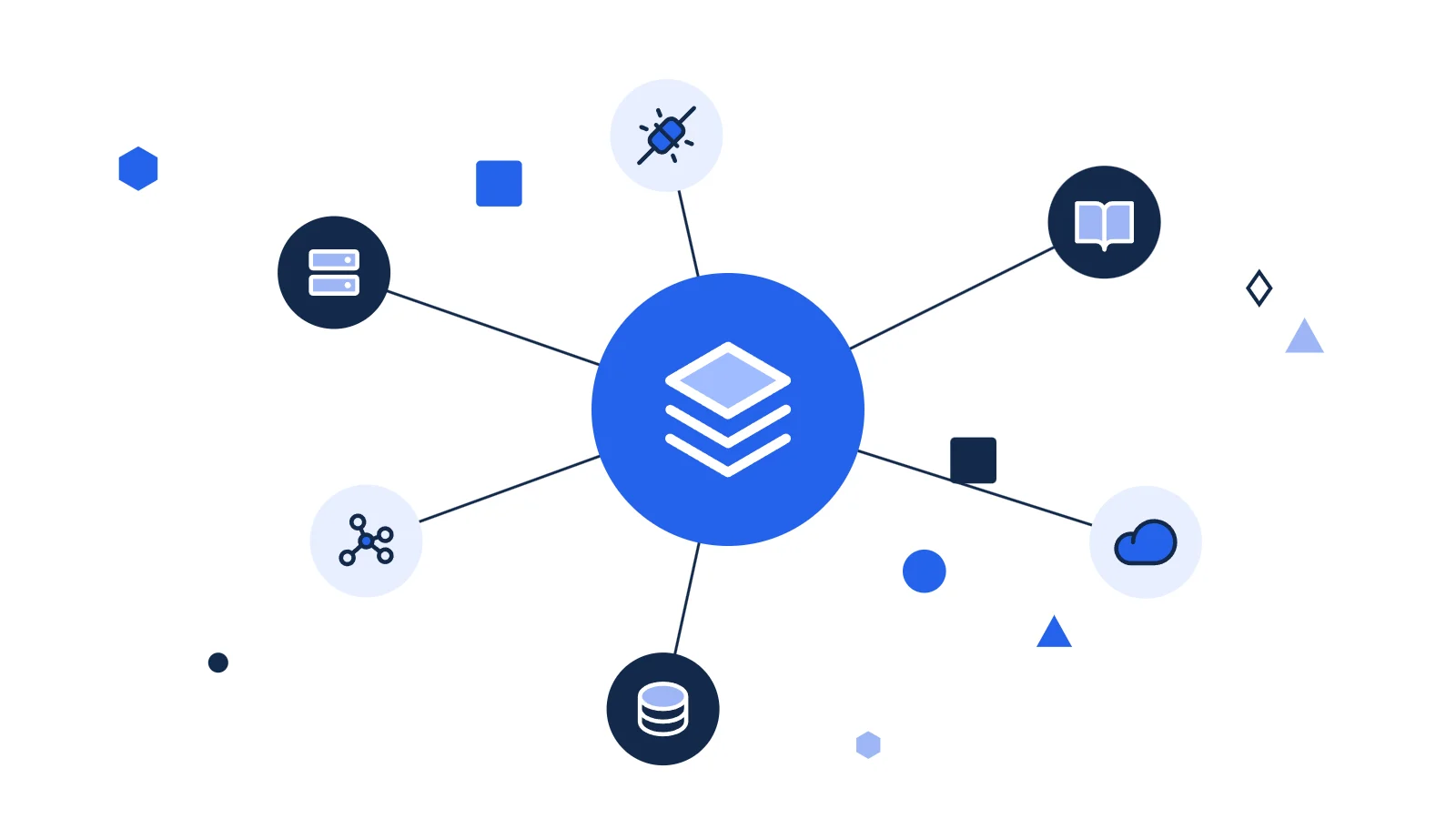
Let’s be real, no founder wakes up excited to think about servers. You just want your product to work, scale, and not break the bank. That’s where cloud computing comes in. If you're new to it, don’t worry. I’ve been in your shoes, building MVPs with scrappy teams, racing toward product-market fit, and juggling budgets tighter than a drum. Cloud computing changed how I approached infrastructure forever. In this article, I’ll walk you through what cloud computing actually is, how it benefits startups, and what you need to know to make smart decisions from Day 1.
At its core, cloud computing means using someone else’s powerful servers over the internet instead of buying your own. These services are usually offered on a pay-as-you-go model, so you're not stuck buying expensive hardware or managing physical servers. You tap into computing power, storage, databases, and more, all via the web.
Startups run lean. Cloud computing lets you avoid upfront hardware costs and scale usage up or down depending on demand. That means you're not overpaying during quiet periods or scrambling when traffic spikes.
Launching a product shouldn’t mean spending months setting up servers. With cloud services, you can go from idea to live app in days, not weeks.
When you're not busy managing data centers or patching servers, you can spend more time on what matters. Your product, users, and growth.
Cloud platforms let your developers work from anywhere. Everyone can access the same tools, databases, and workflows no matter the timezone.
If you’re early-stage, don’t obsess over picking the “perfect” provider. Go with what gets you live faster and lets you iterate. You can always migrate later.
You hear horror stories about a dev forgetting to shut down a test instance and getting a $10K AWS bill. It happens. Set budget alerts. Monitor usage. Use cost calculators before spinning up new services.
Some services are deeply integrated, making it tough to switch platforms later. Try to keep things modular, containers and open-source tools help reduce this risk.
Cloud providers give you secure tools, but you’re still responsible for configuring them right. Make sure you follow best practices like encrypting data, setting up access controls, and enabling backups.
Avoid building “just in case.” Stay focused on the core problem you’re solving and add complexity only when there’s a clear need.
Don’t want to spend cycles figuring out Kubernetes, IAM roles, or scaling MySQL? You shouldn’t have to. Bring on experienced builders who’ve been there, done that, so you can keep your eyes on the prize.
Most founders treat cloud computing like a utility, like flipping on a light switch. But it’s more than that. Used wisely, it can influence your fundraising story, your speed to customer feedback, and your ability to hire globally.
Most cloud providers offer generous startup programs. If you’re in an accelerator like YC or Alchemist, you could be sitting on $100K+ in free credits.
Some key programs:
Just make sure to track expirations and avoid building dependencies you can’t afford later.
More startups are skipping traditional servers altogether. With tools like AWS Lambda or Cloudflare Workers, you pay only when code runs. No maintenance. Just deploy and go.
Some startups are now using multiple clouds (e.g., AWS + Cloudflare + Supabase) to reduce lock-in and improve global performance. This might be overkill at MVP stage, but something to keep in mind for scaling.
Whether you’re embedding GPT-4 or training your own models, cloud infrastructure is what makes it possible. Tools like Vertex AI (GCP) or Bedrock (AWS) are built to help you launch AI-powered features without becoming a research lab.
At Horizon-Labs.co, we’ve helped 60+ startups (some straight out of Y Combinator, StartX, and Alchemist) get their cloud infrastructure right from Day 1. Whether you’re spinning up an MVP on Firebase, launching a Kubernetes cluster for your AI app, or optimizing your AWS bill, we’ve seen it all. We bring not just technical chops, but the context of how startups operate under pressure. If you need expert help building cloud-native apps, or even just advice on what stack to choose, email us at info@horizon-labs.co or schedule a call at https://www.horizon-labs.co/contact. We’ll help you build better, faster, and cheaper, or connect you with someone we trust who can.
Q: What’s the difference between cloud computing and traditional web hosting?
A: Traditional hosting usually means renting fixed resources (like shared or dedicated servers). Cloud computing, on the other hand, is scalable. You can increase or decrease resources on demand and only pay for what you use.
Q: Do I need to hire a DevOps engineer to use cloud platforms?
A: Not necessarily. For early-stage startups, platforms like Heroku, Vercel, or Firebase handle most infrastructure work. As you grow, you may need DevOps support for cost optimization, performance, or compliance.
Q: What’s the best cloud platform for building a startup MVP?
A: Firebase and Supabase are fantastic for rapid MVPs. They offer authentication, databases, and hosting out of the box, helping founders go from idea to prototype without managing servers.
Q: Is cloud computing secure enough for storing sensitive customer data?
A: Yes, if implemented correctly. Cloud platforms provide strong security tools, but it's your job to configure them right. Use encryption, set access controls, and follow best practices for compliance (like HIPAA or GDPR).
Q: Can I switch cloud providers later?
A: It’s possible but not always easy. The more deeply you're integrated with a specific platform’s services, the harder it gets. Using containers, open-source tools, and avoiding proprietary features helps reduce lock-in.
Q: What’s “serverless” computing and is it better for startups?
A: Serverless lets you run backend functions without managing servers. It’s great for startups because it scales automatically and only charges you when the code runs, ideal for unpredictable traffic and lean budgets.
Q: How do cloud credits work, and can I stack them?
A: Cloud credits are promotional offers from providers. You often get them through accelerators or startup programs. Some credits can stack if you use different services (e.g., AWS + Stripe Atlas perks), but always read the fine print.
Q: Can I use multiple cloud providers at once?
A: Yes, but it adds complexity. This “multi-cloud” approach can boost performance or reduce risk of outages, but it’s rarely necessary in the early stages. Stick with one until there’s a clear benefit to switching or adding another.
Q: How can I monitor my cloud costs to avoid surprises?
A: Set up usage alerts and budget thresholds. Tools like AWS Cost Explorer or GCP’s Budget Alerts can help. Some platforms even provide anomaly detection to flag weird spending spikes.
Q: How early should I think about cloud architecture as a founder?
A: As soon as you're writing production-level code. Even if you're building a prototype, choosing cloud-friendly patterns like stateless functions and managed services makes scaling smoother down the road.
Q: What is the difference between cloud-native and cloud-enabled?
A: Cloud-native apps are designed specifically to run in the cloud, leveraging features like autoscaling and distributed storage. Cloud-enabled apps are older applications moved to the cloud but not optimized for it.
Q: How do I know when it’s time to move from Firebase or Heroku to AWS/GCP?
A: If you're hitting usage limits, facing performance bottlenecks, or have specific compliance needs, it's probably time to graduate to a more robust IaaS provider like AWS or GCP.
Q: Should I consider edge computing instead of traditional cloud?
A: If your product relies on real-time experiences (like gaming or IoT), edge computing, processing data closer to the user, can reduce latency and improve UX. For most startups, traditional cloud is enough at first.
Q: What are the risks of relying too heavily on cloud services?
A: Besides vendor lock-in, outages can be a risk. Major platforms rarely go down, but when they do, you’re at their mercy. Building in redundancy and backups is key.
Q: Can I run AI models entirely in the cloud?
A: Absolutely. Platforms like AWS SageMaker, GCP Vertex AI, and Azure ML are built for this. But if you're using models like GPT-4, you'll typically rely on APIs provided by OpenAI or similar services.
Q: What’s cloud bursting and is it relevant to startups?
A: Cloud bursting is when you run workloads locally but “burst” into the cloud when demand spikes. It’s more common in hybrid enterprise setups, not usually necessary for early-stage startups.
Q: How much does cloud computing really cost for a startup?
A: It depends on usage, but most MVPs can run for under $100/month using services like Firebase, Vercel, or Supabase. As usage grows, it might scale to $1K–$3K/month. Still far cheaper than managing your own servers.
Q: Are there non-technical benefits of being in the cloud?
A: Definitely. Faster iteration means more frequent customer feedback, which boosts retention. Plus, being cloud-native is a green flag to investors and future technical hires.
Cloud computing isn’t just about technology. It’s about leverage. The right cloud setup can help your startup scale faster, cut costs, and stay nimble while you’re still figuring things out. But getting it right takes more than spinning up a few EC2 instances. At Horizon Labs, we don’t just build cloud-native products. We’ve helped over 60 startups launch and scale infrastructure that doesn’t fall apart under pressure. Whether you’re choosing between Firebase or AWS, need help optimizing your stack, or want to build a system that can scale to millions of users, we’ve been there.
If you’re a founder who needs trusted engineers, not just coders, to design and build your tech right the first time, we’re here for you. Reach out to us at info@horizon-labs.co or book a call at https://www.horizon-labs.co/contact. Let’s build something that works, scales, and gets you funded.
AWS, GCP, or Azure? Learn how to choose the best cloud platform for your startup’s needs with insights into features, pricing, and scalability.

A comprehensive guide for startup founders on Software-as-a-Service (SaaS). Learn how SaaS can transform your business operations and drive growth.

Design rental marketplace availability around authoritative state, atomic confirmation, capacity, time zones, external sync, testing, and safe rollout.
Tell us what you're building. After an intro call with our founders, you'll hear back within 72 business hours: a written scope with an hour range and a hard ceiling, or the questions we need answered first.